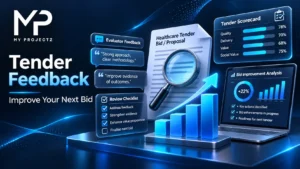
Why Tender Feedback Matters
For competitive procurements covered by the Procurement Act 2023, assessment summaries are intended to help suppliers understand why their tender was successful or unsuccessful. They can include criterion-level scores and reasons for those scores.
However, an assessment summary is not always the same as detailed coaching. Additional general advice on improving future tenders may be provided, but official guidance says this extra feedback is not always legally required.
Good healthcare tendering support should therefore help you turn the information you receive into practical improvements.
How Should You Use Tender Feedback After Losing a Bid?
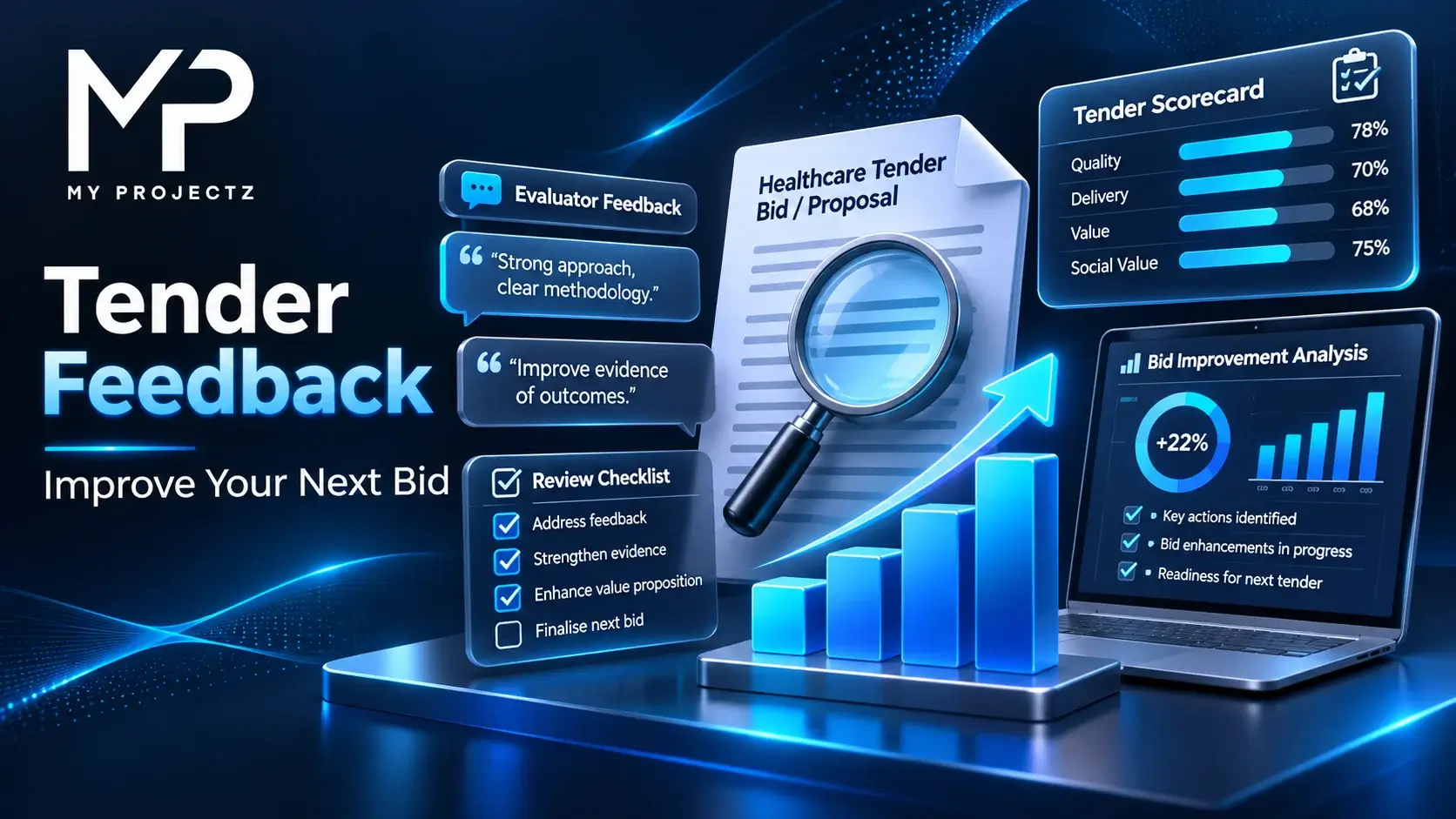
Start by separating the final result from the reasons behind it. Review each scored question, read the evaluator comments beside your submitted response and identify what was missing. Then convert every meaningful weakness into a specific improvement action for the next tender.
Tender Feedback: 6 Steps to Improve Your Next Bid
Do Not Just Record “Add More Detail”
Generic lessons do not improve future bids.
If an evaluator says your response lacked detail, ask what kind of detail was missing.
For example:
| Evaluator Feedback | Likely Problem | Better Action |
|---|
| Limited safeguarding detail | Process unclear | Explain escalation stages and responsibilities |
| Weak mobilisation evidence | Delivery lacked proof | Add milestones, owners and controls |
| Insufficient workforce evidence | Claims unsupported | Add relevant KPIs and monitoring |
| Benefits unclear | Buyer outcome missing | Link actions directly to measurable outcomes |
Once you identify the lowest-scoring answers, improve them while the evaluator comments are still fresh.
Focus on:
- Clear delivery methods
- Named responsibilities
- Relevant evidence
- Measurable outcomes
- Buyer benefits
- Stronger signposting
Professional tender writing support can help turn general criticism into a clearer and more evidence-led response.
Review Patterns, Not Just One Tender
A single comment can be specific to one buyer. Repeated comments across several tenders are much more important.
For example, if different evaluators repeatedly identify weak evidence, unclear outcomes or insufficient detail, you may have a wider bid-writing problem rather than an isolated poor response.
An independent Tender Review can help identify those recurring weaknesses before another bid is submitted.
Sometimes the feedback reveals a bigger issue.
Your writing may have been acceptable, but the buyer may have required stronger experience, different evidence, greater capacity or capabilities that your organisation could not yet demonstrate.
Use that lesson when choosing future opportunities.
A structured Tender Search can help you focus on opportunities that better match your current experience, evidence and delivery capability.
What If the Tender Feedback Is Too Vague?
If the comments do not explain why marks were lost, review the scoring criteria first and identify the specific areas that remain unclear.
Government supplier guidance recommends analysing scoring breakdowns, requesting useful feedback and documenting improvement areas after unsuccessful bids. Government Commercial Agency
Where appropriate, ask the buyer a focused question rather than simply requesting “more feedback”.
For example:
Instead of:
“Can you provide more information?”
Ask:
“Could you clarify which elements of our mobilisation approach prevented the response from achieving the next scoring level?”
After an unsuccessful result:
- Record every question score
- Read every evaluator comment
- Compare comments with submitted answers
- Identify repeated weaknesses
- Protect positively scored content
- Convert criticism into actions
- Assign improvement owners
- Update your evidence library
- Review bid/no-bid decisions
Frequently Asked Questions
Need Help After Losing a Healthcare Tender?
Losing a tender should produce more than a rejection notice.
Used properly, tender feedback can show where evaluator confidence was lost and what your team should improve before the next submission.
My Projectz can help you review feedback, strengthen weak responses and build clearer, evidence-led tender submissions.